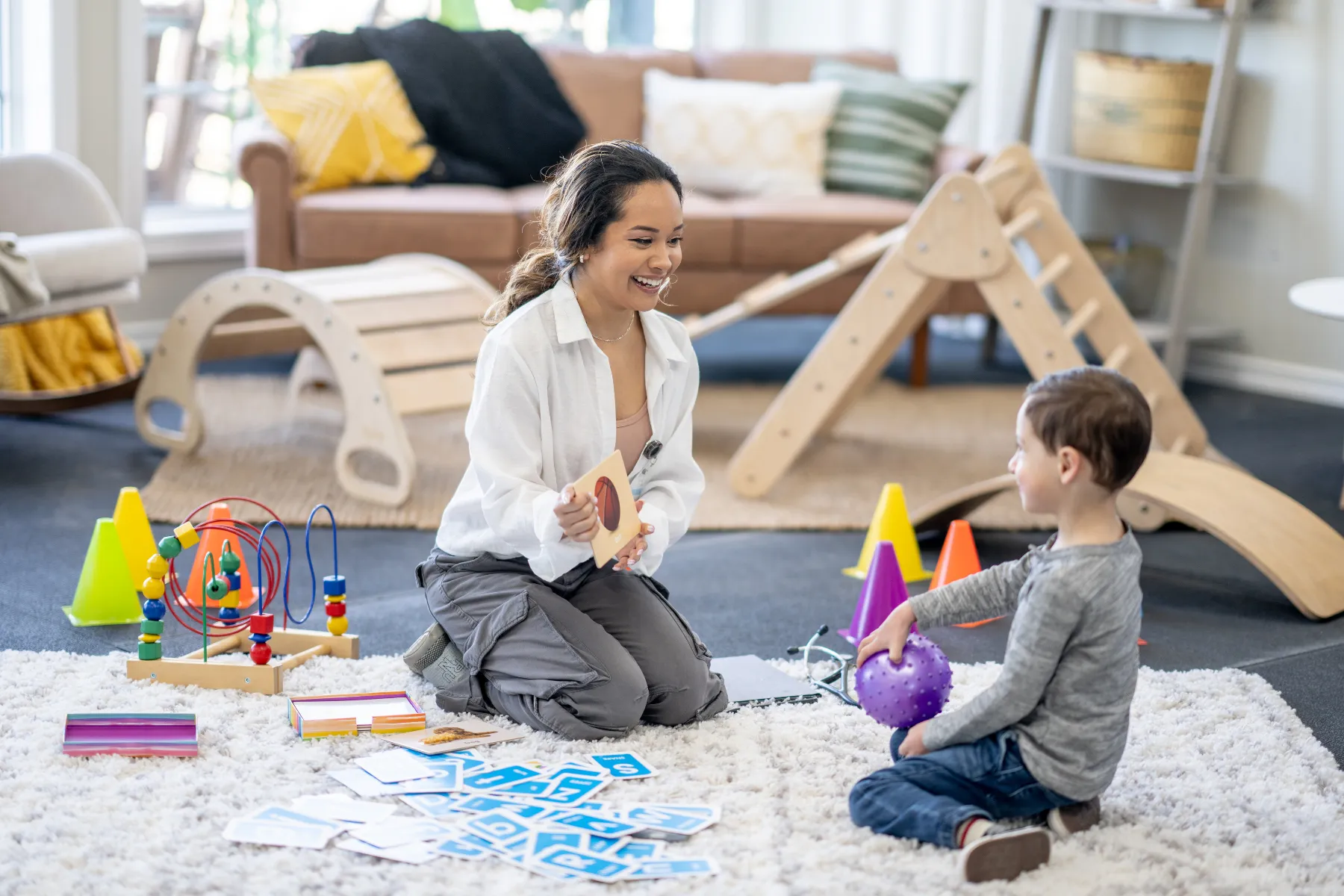
Sensory Integration Therapy for Infants

Sensory Integration Therapy for infants supports babies who have difficulty processing and responding to sensory information from their environment. In the early months of life, the brain is rapidly developing connections that help an infant understand touch, movement, sound, sight, and body awareness. When this process doesn't happen smoothly, it can affect feeding, sleep, motor skills, and emotional regulation.

Early Therapy/Intervention helps the brain build stronger, more organised sensory pathways during their critical developmental window.


What is Sensory Integration?

Sensory Integration is the brain's ability to:

  • Take in sensory information
  • Organise and interpret it
  • Respond appropriately

For infants, this includes how they react to:

  • Touch (holding, clothing, textures)
  • Movement (rocking, being carried, tummy time)
  • Body Position (muscle and joint awareness)
  • Sounds and lights
  • Oral Sensations (feeding, pacifiers, teething)

When Sensory Processing is well organised, babies feel safe, calm, and ready to learn.

Signs an Infant May Have Sensory Processing Difficulties

Some babies are extra sensitive, while others seem under-responsive. Parents may notice:

Over-responsive (too sensitive)
  • Cries or stiffens when touched or held
  • Dislikes certain textures (clothes, blankets)
  • Startles easily with sound or movement
  • Becomes upset with bathing or diaper changes
  • Difficulty settling or sleeping
Under-responsive (low awareness)
  • Seems unusually quiet or "too calm"
  • Does not respond much to sounds or faces
  • Low muscle tone, floppy posture
  • Limited movement or exploration
  • Delayed motor milestones
Sensory-related feeding signs:
  • Difficulty latching or sucking
  • Gagging easily
  • Refusing certain textures later on

How Sensory Integration Therapy Helps Infants

A neonatal or Paediatric Occupational Therapist uses gentle, play-based sensory experiences that are safe and appropriate for a baby's age and medical status.

Touch & Tactile Input
  • Gentle massage
  • Skin-to-skin guidance
  • Graded exposure to different textures
Movement (Vestibular Input)
  • Slow rocking
  • Side-lying play
  • Supported tummy time
  • Careful changes in position
Body Awareness (Proprioception)
  • Gentle joint compression
  • Swaddling techniques
  • Positioning for stability and comfort
Oral Sensory Support:
  • Techniques to improve sucking and feeding coordination
  • Desensitisation for babies with oral aversion

All activities are carefully graded so that the baby stays calm and regulated, not overwhelmed.

The Role of Parents in Therapy

Parents are a central part of Sensory Integration therapy. Therapists guide families in:

  • How to hold and position the baby
  • Calming strategies for fussy periods
  • Creating a sensory-friendly home environment
  • Reading the baby's stress and comfort cues

This helps parents feel more confident and strengthens bonding.

Why Early Sensory Therapy Matters

During infancy, the brain is highly adaptable. Early support can:

  • Improve feeding and weight gain
  • Support motor milestone development
  • Reduce excessive crying and irritability
  • Improve sleep patterns
  • Build better attention and learning foundations

Addressing sensory challenges early can prevent later difficulties with movement, behaviour, and emotional regulation.

Which Babies May Benefit Most?

Sensory Integration therapy is especially helpful for:

  • Premature or NICU-graduated babies
  • High-risk infants
  • Babies with birth complications
  • Infants with feeding difficulties
  • Babies with low muscle tone or delayed milestones
  • Infants who are very fussy or hard to soothe

We can make an impact at any age af a Child

Dedicated Centre for Occupational Therapy
Constant Monitoring of Child
Kids Friendly Environment
Parents Empowerment
Personalized Care
Group Activities & Social Skills
move-growIcon

Creating a warm and nurturing environment for your child.

Move n Grow ,Neonatal & Paediatric Occupational Therapy Clinic

WP03, Basement, main, Market, Hazipur, Sector 104, Noida, Uttar Pradesh 201304