Early Intervention Program

A Guide for Parents of NICU Graduates

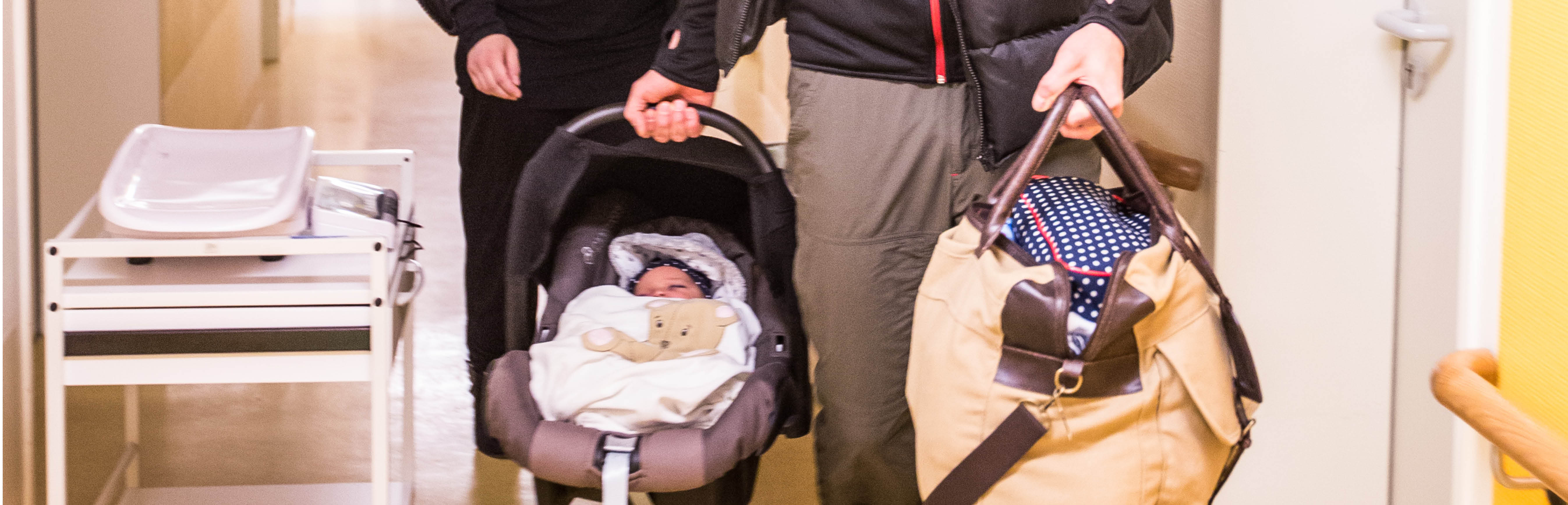
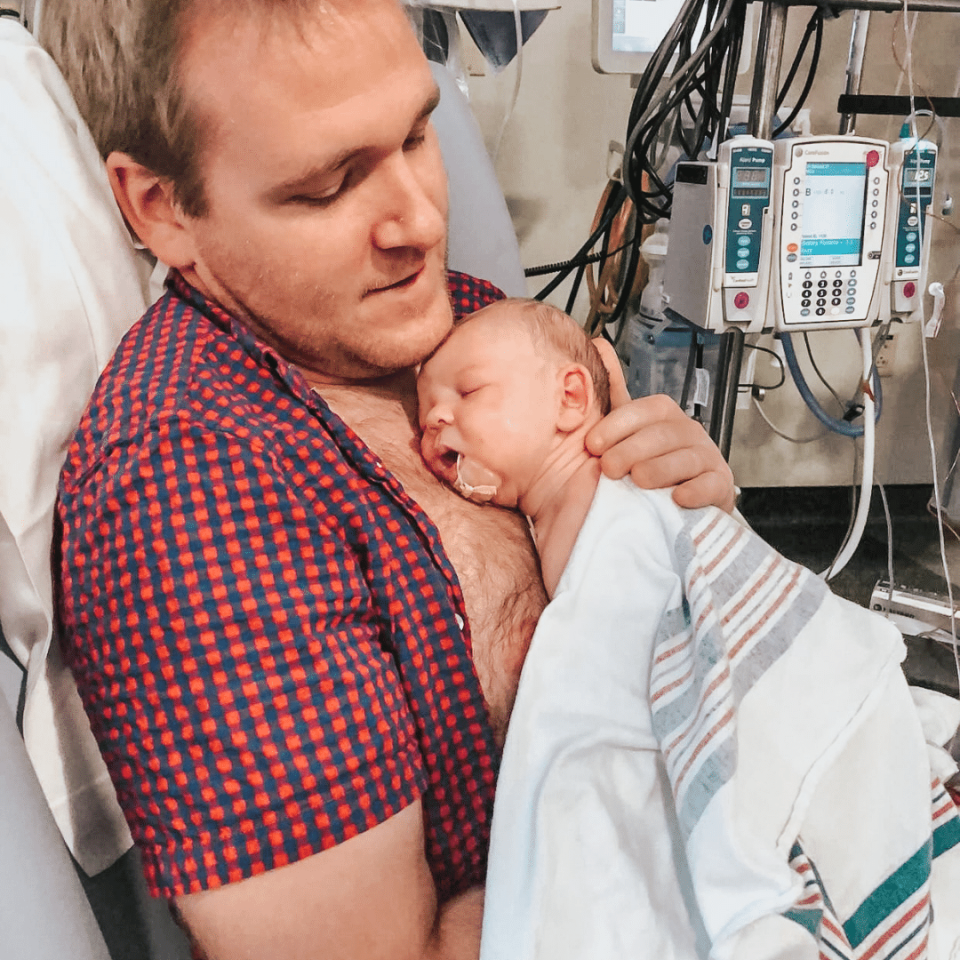
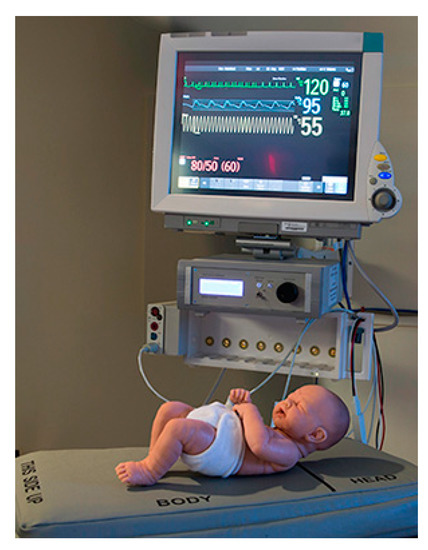
Babies who spend time in the NICU experience a very different sensory environment compared to the womb or home. Bright lights, medical handling, noise, and limited movement can affect how a baby processes touch, sound, movement, and feeding after discharge.

After discharge, some babies may need extra support to feel calm, organised, and comfortable in their bodies. Sensory-Informed Care at home can make this transition smoother.

Early Intervention Program

Why NICU Graduates May Have Sensory Differences

Your baby may have experienced:

  • Frequent medical handling and procedures
  • Limited opportunities for natural movement
  • Bright lights and loud sounds
  • Long periods in one position

At Move Grow, we provide specialized Sensory Integration Support to help NICU graduates feel calm, secure, and developmentally organised.

Early Intervention Program

Signs Your Baby May Need Sensory Support / Occupational Therapy Support

Your baby may benefit from occupational therapy if you notice:

  • Sensitivity to touch, sound, or movement
  • Difficulty settling or sleeping
  • Feeding challenges such as gagging or refusal
  • Delayed motor milestones
  • Very stiff or very floppy muscle tone

Early therapy improves feeding, sleep, motor skills and emotional comfort.

Early Intervention Program

Infant Sensory Development Checklist (0-12 months)

Every baby develops at their own pace. This guide helps you notice how your baby responds to sensory experiences.

0-3 months

  • ✓ Calms with firm holding
  • ✓ Responds to gentle rocking
  • ✓ Focuses on faces
  • ▲ Very stiff or very floppy
  • ▲ Strong distress with normal touch
  • ▲ Very little movement
Early Intervention Program

3-6 months

  • ✓ Enjoys short tummy time
  • ✓ Turns towards sounds
  • ✓ Explores hands and toys
  • ▲ Avoids tummy time completely
  • ▲ Overreacts to everyday sounds
  • ▲ Difficulty bringing hands together

6-9 months

  • ✓ Reaches and explores toys
  • ✓ Rolls or sits with support
  • ✓ Enjoys gentle movement
  • ▲ Dislikes touching toys / textures
  • ▲ Fearful of gentle movement
  • ▲ Limited exploration
Early Intervention Program

9-12 months

  • ✓ Moves to explore (crawling / shuffling)
  • ✓ Transitions between positions
  • ✓ Tolerates different food textures
  • ✓ Enjoys interactive play
  • ▲ Strong texture refusal in feeding
  • ▲ Avoids floor play
  • ▲ Frequent distress with movement

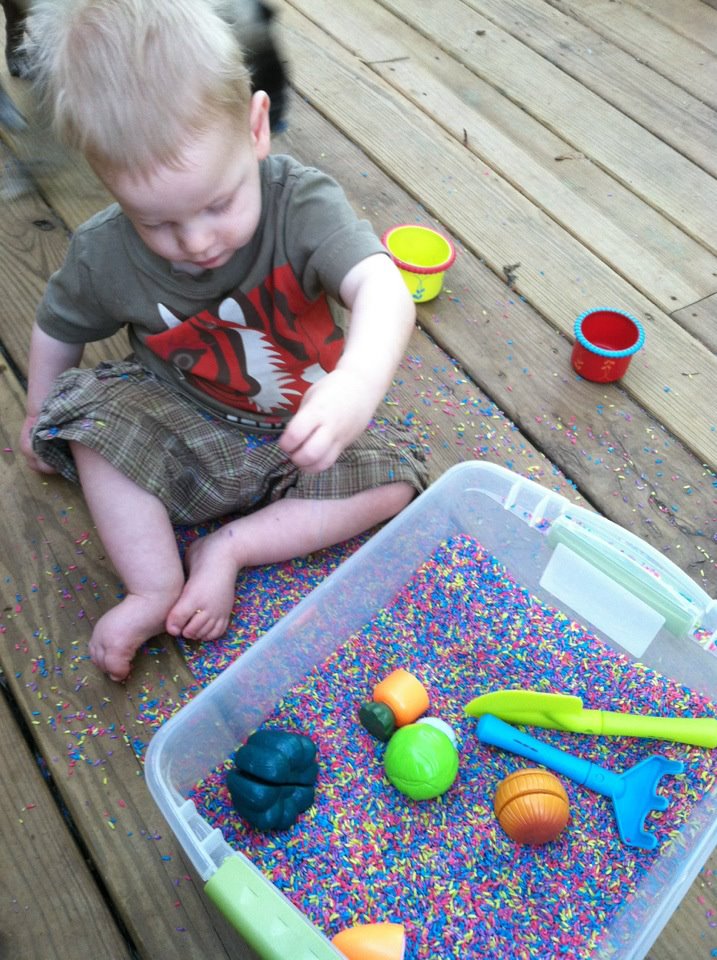
If your baby often seems uncomfortable, overwhelmed, or delayed, early occupational therapy can help them feel secure and confident.

We can make an impact at any age af a Child

Dedicated Centre for Occupational Therapy
Constant Monitoring of Child
Kids Friendly Environment
Parents Empowerment
Personalized Care
Group Activities & Social Skills
move-growIcon

Creating a warm and nurturing environment for your child.

Move n Grow ,Neonatal & Paediatric Occupational Therapy Clinic

WP03, Basement, main, Market, Hazipur, Sector 104, Noida, Uttar Pradesh 201304